
ORTHOPEDIC SURGERIES

There are two cruciate ligaments which cross inside the knee joint: the anterior (cranial) cruciate and the posterior (caudal) cruciate.
The anterior cruciate stabilizes the knee by preventing the tibia from slipping forward and out from under the femur.
There are two collateral ligaments that stabilize the knee in a side-to-side direction.
There are two c-shaped cartilage structures (meniscus) that cushion and stabilize the knee by fitting between the femur and tibia.
Anterior (Cranial) Cruciate Ligament Rupture
CCL rupture is the most common orthopedic condition that we treat. The cause is unknown, but conformation of the limbs and genetics may play a role.
All breeds of dogs, cats and ferrets can be affected, but some breeds such as Labrador Retrievers, Rottweiler, and Mastiffs are more predisposed.
Ligament rupture is usually the result of a gradual process, not due to a single traumatic injury.
Symptoms may begin after sudden stopping, twisting, or over extension of the knee during exercise.
Many animals have a predisposing factor like age-related ligament degeneration, pre-existing inflammation, anatomical abnormalities or abnormal slope of the plateau of the tibia bone.
About 33-50% of dogs that have an abnormal cranial cruciate ligament (CCL) will develop a partial or full rupture of the opposite CCL.
Extra capsular Repair/Extra capsular Surgery
· A strong, non-absorbable suture (nylon band) is passed around a small bone on the back of the knee and then placed through a small hole made in the front of the tibia bone. The suture is then tightened with a crimping tube which serves to prevent drawer motion, effectively taking over the job of the torn cruciate ligament.
Over time, scar tissue will form around the suture which helps to stabilize the joint.
This technique is most commonly used in small dogs and cats.
About 85% of patients show a significant improvement after surgery and are able to resume pre-injury activities.
Risks and Complications
Anesthesia complications can occur, but these are minimized by our high quality surgical facility.
The nylon band can break or loosen from its attachment behind the knee. This most often occurs when pets are too active during the early healing period (4-6 weeks from surgery).
Infection at the surgical site. This is minimized by proper sterile technique, peri-operative antibiotic usage, and prevention of licking of the incision.
If meniscal cartilage was not damaged at the time of surgery, there is a small chance that it may become damaged at a later date requiring a second surgery.
Arthritis and CCL Injury
Unfortunately we cannot stop or reverse the arthritis and degeneration of the joint, but surgery can help to slow its progression.
If your pet has arthritis in any joint, you may notice stiffness in the morning, lameness after heavy exercise or during weather changes.
We recommend that you help your pet by keeping them at a healthy weight, maintaining a regular amount of mild exercise, and giving a high quality glucosamine and chondroitin product.
TTA Rapid(Tibial Tuberosity Advancement) Repair

Did you know that we now offer the TTA Rapid surgery???
What is the TTA rapid surgery??
TTA-R is a promising surgery for rapid recovery and repair of a torn cruciate. As a major difference to other techniques, TTA-R uses the non-Maquet-Hole-Technique. This brings the advantage of reducing the number of needed instruments and auxiliary implants, which makes this technique much more stable and quicker. TTA RAPID implants are made of titanium and are a combination of a plate and a cage with an open mesh construction. This combination enables high stability and fast bone growth “through” the sponge construction. The implant is manufactured with titanium due to its known properties which minimize the risk of infections.
View the video below to see how this surgery is done!
Tibial Plateau Leveling Osteotomy (TPLO) Surgery for Dogs
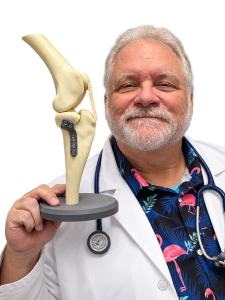
Helping Your Dog Return to an Active, Pain-Free Life
A Tibial Plateau Leveling Osteotomy (TPLO) is one of the most effective surgical procedures available to treat cranial cruciate ligament (CCL) tears in dogs. Similar to an ACL injury in people, a torn CCL can cause pain, limping, instability of the knee, and arthritis if left untreated.
At our hospital, TPLO surgery is performed to restore stability to your dog’s knee, reduce discomfort, and help them return to the activities they love.
What Is a CCL Tear?
The cranial cruciate ligament (CCL) is an important ligament inside the knee that helps stabilize the joint. When this ligament tears or ruptures, dogs may experience:
• Sudden or progressive lameness
• Difficulty standing or sitting
• Decreased activity levels
• Limping that worsens after exercise
• Pain and swelling around the knee
CCL injuries are especially common in active, large-breed, and overweight dogs but can occur in dogs of any size.
What Is TPLO Surgery?
TPLO surgery changes the biomechanics of the knee joint, eliminating the need for the damaged ligament to stabilize the knee. During the procedure:
1. A specialized cut is made in the top portion of the tibia (shin bone).
2. The bone is rotated to change the angle of the knee joint.
3. A surgical plate and screws are used to secure the bone while it heals.
This technique provides excellent stability and allows many dogs to return to normal or near-normal activity levels.
Benefits of TPLO
• Improved knee stability
• Faster return to activity compared to some alternative procedures
• Excellent long-term outcomes
• Reduced progression of arthritis
• Suitable for many medium and large breed dogs
• High success rate in returning pets to active lifestyles
Recovery After TPLO Surgery
Recovery is a crucial part of your dog’s success. Most pets begin placing weight on the leg within a few days to weeks after surgery.
Recovery generally includes:
• Strict activity restriction
• Leash walks only during the healing period
• Pain management and anti-inflammatory medications
• Therapeutic Laser Therapy Sessions
• Follow-up examinations and radiographs
• Gradual return to normal activity
• Physical rehabilitation when recommended
Most dogs require approximately 8-12 weeks for bone healing, though complete recovery may take several months depending on age, size, and activity level.
Is My Dog a Candidate for TPLO?
TPLO is often recommended for:
• Medium to large breed dogs
• Active dogs
• Dogs with complete or partial CCL tears
• Dogs with knee instability causing pain and lameness
Our veterinary team will perform a thorough orthopedic examination and discuss the best treatment options for your pet.
Frequently Asked Questions
Will my dog need to stay overnight?
Many dogs remain hospitalized for monitoring and pain management following surgery. Your dog will go home the same day, likely in the last hour of the business day.
Is TPLO painful?
Your dog’s comfort is our priority. We use advanced anesthesia, pain management protocols, and post-operative medications to keep your pet comfortable throughout recovery. We use a state-of-the-art laser to perform surgery, which allows faster healing time.
What is the success rate of TPLO surgery?
TPLO has an excellent success rate, with the vast majority of dogs regaining good to excellent limb function after recovery.
Can my dog tear the other knee?
Unfortunately, many dogs that tear one CCL may eventually injure the opposite knee. Maintaining a healthy weight and following your veterinarian’s recommendations can help support joint health.
Schedule a Consultation
If your dog is limping or has been diagnosed with a cruciate ligament injury, our team can help determine whether TPLO surgery is the right option. Contact us today to schedule an orthopedic consultation and learn more about your pet’s treatment options.
Give your dog the opportunity to move comfortably and confidently again with TPLO surgery.